Best Leather Perfumes
🔥 Today's Fragrance Deals
Looking for the best perfume prices online? Click below to see current fragrance deals.
As an Amazon Associate, we earn from qualifying purchases at no extra cost to you.

You cannot extract the smell from leather directly from the actual tanned animal skin. The Leather accord has to be produced with the help of other notes. Leather notes in perfume come from bitter smelling isoquinolines or smoky smelling rectified birch tar to replicate the smell of the tanning chemicals used to prepare leather. Since leather is tanned hides, not only of cattle but of many other animals, extracting the essence proves impossible. So, leather is not a note, it is an accord created by different notes that is infused into the most amazing fragrances like we have here.
Best Leather Perfumes
- Cuir de Russie by Chanel
- Cuir Fetiche by Maitre Parfumeur et Gantier
- Baikal Leather Intense by Nicolai Parfumeur Createur
- Knize Ten Golden Edition by Knize
- Chambre Noire by Olfactive Studio
- Terrible Teddy by Penhaligon's
- Cuir Eau de Parfum by Molinard
- Ombré Leather by Tom Ford
- Black Saffron by Byredo
- Russian Leather by Molton Brown
-
Cuir de Russie by Chanel
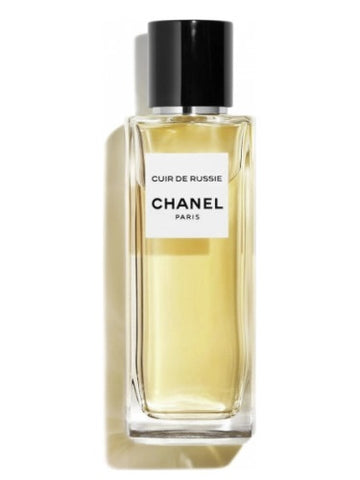
There are many fragrances in the world that utilize cuir de Russie (Russian Leather). Chanel’s Cuir de Russie is a very popular fragrance with the recognizable Chanel DNA. You can categorize it as a very smokey floral leather fragrance. You get the notes of leather, and there is also birch wood but it isn't here to combine with other notes to create this leather accord. There is also an intense ylang-ylang presence which is the floral part of this fragrance. This perfume smells like a very charred smokey and buttery leather. If you don't like smokey fragrances, you might not like this because it is very very smokey- like smoke after it’s perishing.
- Top notes: Opens with Clary Sage, Orange Blossom, Bergamot, Lemon and Mandarin Orange
- Middle notes: At the heart of the fragrance lies iris, Ylang-Ylang, Carnation, Vetiver, Jasmine, Rose and Cedar
- Base notes: At the base, Leather, Birch, Tobacco, Musk, Amber, Heliotrope and Vanilla
- Perfume Gender: Feminine
- Scent Accord: Leather
- Longevity: 10 hours
- Sillage: Moderate
- Projection : Moderate
-
Cuir Fetiche by Maitre Parfumeur et Gantier

If you are a fan of Creeds Royal English Leather which is a vaulted fragrance, this comes very close to it. Cuir Fetiche is a floral powdery leather that has very ambery touches, but the leather with the iris is very powdery. It is a very buttery leather, very smooth and soft and not very animalic. It is a lot more elegant, and does not have a birch tar element. This perfume is elegant and soft, suitable for an elegant evening, or something of the upper class style.
- Top notes: Opens with Geranium, Bergamot, Mandarin Orange and Amalfi Lemon
- Middle notes: At the heart of the fragrance lies Leather, iris, Jasmine, Ylang-Ylang, Vanille and Rose
- Base notes: At the base, Musk, Amber, Sandalwood, Patchouli and Virginia Cedar
- Perfume Gender: Feminine
- Scent Accord: Leatther
- Longevity: 9 hours
- Sillage: Moderate
- Projection : Wide
-
Baikal Leather Intense by Nicolai Parfumeur Createur

This is a very interesting fragrance . It is not smoky at first, but as you go, it gets smokier. Baikal Leather Intense is a floral leather fragrance that has woody touches with lots of different woods.The smokiness is not full on in your and the guaiac wood in it is very soft and creamy, and along with the other notes, has a very buttery effect. The smokiness owes its presence to the birch wood. This perfume is also a very elegant, not necessarily rough- a great interpretation of leather.
- Top notes: Opens with Yuzu, Saffron and Pepper
- Middle notes: At the heart of the fragrance lies Leather, iris, Violet, Rose and Pine tar
- Base notes: At the base, Guaiac Wood, Musk, Vetiver, Sandalwood and Tonka Bean
- Perfume Gender: Unisex
- Scent Accord: Leather
- Longevity: 12 hours
- Sillage: Strong
- Projection : Wide
-
Knize Ten Golden Edition by Knize
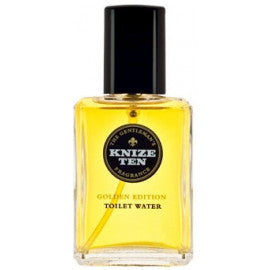
Knize Ten would remind you of Cuir Cannage by Dior ( a limited or discontinued release). It is a beautiful scent that is slightly animalic, very buttery, very soft and ambery. It smells just like a wonderful leather factory or like stacks of leather from a shoe factory- the smell from the factory has been transformed to this fragrance. This is sweetened up with the ambery touches, similar to the original, just more ambery.
- Top notes: Opens with Amalfi Lemon, Orange, Petitgrain and Bergamot
- Middle notes: At the heart of the fragrance lies Carnation, iris, Virginia Cedar, Sandalwood, Jasmine, Rose, Cinnamon and Geranium
- Base notes: At the base, Leather, Castoreum, oak moss, Amber, Vanille and Musk
- Perfume Gender: Masculine
- Scent Accord: Leather
- Longevity: 12 hours plus
- Sillage: Strong
- Projection : Wide
-
Chambre Noire by Olfactive Studio

This is another leather perfume with a different style. Chambre Noire has some spicy elements coming in but with fruity elements as well. It smells a little stark when you smell it out of a bottle, but it opens up with the plum developing into something that sweetens up everything and becomes wonderfully sexy. It is a very unique take on leather- very smokey, spicy, and a little fruity. A classic- probably the most popular from Olfactive Studio.
- Top notes: Opens with Pink Pepper
- Middle notes: At the heart of the fragrance lies plum, Incense, Violet, Papyrus and Jasmine
- Base notes: At the base, Leather, Sandalwood, Patchouli, Vanille and Musk.
- Perfume Gender: Unisex
- Scent Accord: Leather
- Longevity: 8 hours
- Sillage: Strong
- Projection : Moderate
-
Terrible Teddy by Penhaligon

Terrible Teddy is considered a smoky balsamic leather fragrance. It is very smoky and resinous with lots of ambroxan and also very ambery. The balsamic and ambroxan kind of go hand in hand with the other notes. It is a big bad boy kind of leather, and a very rough and rugged animalic experience. The ambroxan in here is aggressive like the aggressiveness of Dior Sauvage with an intense amount of ambroxan.
- Top notes: Opens with Incense
- Middle notes: At the heart of the fragrance lies Leather
- Base notes: At the base, Ambroxan
- Perfume Gender: Unisex
- Scent Accord: Leather
- Longevity: 9 hours
- Sillage: Strong
- Projection : Wide
-
Cuir Eau de Parfum by Molinard

Here we have a woody spicy leather fragrance. This one is very aromatic because of the lavender. There is also something mysteriously fruity in Cuir because there is no fruit in the fragrance notes. In the end, it is animalic, the oud and leather are responsible for this. The price value proposition is also solid. Definitely a solid leather perfume.
- Top notes: Opens with Nutmeg, Lemon Verbena and Bergamot
- Middle notes: At the heart of the fragrance lies Saffron, Pepper, Lavender and Lily
- Base notes: At the base, Leather, Agarwood (Oud), Amber, Musk, Sandalwood and Patchouli
- Perfume Gender: Unisex
- Scent Accord: Leather
- Longevity: 6 hours
- Sillage: Moderate
- Projection: Wide
-
Ombré Leather by Tom Ford

This is the second release of this fragrance. It is a very woody floral leather fragrance. Even though it's considered slightly animalic, it is easy to wear. It would remind you of a cloth-like leather fragrance. It paints a picture of a bad boy in a brand new leather jacket riding a motorcycle. There are some fruity touches too but they are very minute.
- Top notes: Opens with Cardamom
- Middle notes: At the heart of the fragrance lies Jasmine Sambac and Leather
- Base notes: At the base, Amber, Moss and Patchouli
- Perfume Gender: Unisex
- Scent Accord: Leather
- Longevity: Eternal
- Sillage: Heavy
- Projection : Wide
-
Black Saffron by Byredo

Saffron as an aromatic note tends to go leathery and this is definitely a leather perfume even though it is called Black Saffron. It does shift into the zone of Tom Ford’s Tuscan Leather a little bit, but Tuscan Leather is more overpowering and intense. So this is a lot easier to wear. Byredo fragrances tend to be on the lighter side; they are usually not intensely beefy and dense. Perfumes from this house seem a little more transparent, unlike some others that are so dense and thick, that you cannot actually see through the notes.
- Top notes: Opens with Saffron, Juniper Berries and Chinese Grapefruit
- Middle notes: At the heart of the fragrance lies Balck Violet and Leather
- Base notes: At the base, Raspberry, Cashmeran and Vetiver
- Perfume Gender: Unisex
- Scent Accord: Ammber Spicy
- Longevity: 6 hours
- Sillage: Moderate
- Projection : Moderate
-
Russian Leather by Molton Brown

Here we have a great fall appropriate leather fragrance because Russian Leather gives a very aromatic leather experience. It smells of not only leather but of aromatic herbs and leaves, kind of a vetiver-y leather. There is birch wood in it which adds some smokiness to the perfume. The vetiver is also prominent, resting on some grassy touches underneath. This is an EDT concentration, so it is not an overly dense fragrance.
- Top notes: Opens with Black Tea, Elemi resin and Basil
- Middle notes: At the heart of the fragrance lies Tobacco, Birch and Siberian Pine
- Base notes: At the base, Leather, Cade oil and Vetiver
- Perfume Gender: Unisex
- Scent Accord: Leather
- Longevity: 5 hours
- Sillage: Moderate
- Projection : Wide
CONCLUSION
Bask in the glory of leather wherever you are and feel free to feel rugged, tough and down right sexy.
People Also Ask
Is real leather used in Perfumes?
No, perfumers simply try to mimic the smell that resonates with leather by combining a number of notes together.
What is the leather smell from?
The smell of leather is actually what we smell during the tanning process, not the actual animal skin.
Is the smell of leather bad for you?
No, the smell of leather is not bad for you. It may be of your interest though, to avoid direct contact with the chemicals involved in processing both natural and synthetic leather.
What is leather perfume made of?
Leather perfume is made from birch tar, which smells like a smokey leather, juniper, aldehydes and other synthetics, designed to give a skin-like scent.
What is skin scent?
Skin scent refers to the level of sillage that is so low you can only smell it on the skin. Skin scents also mean scents that smell like skin.
Top 25 Perfume Facts You Should Know
1. What Are Top, Middle, And Base Notes In Perfume?
Perfume is built on three levels: top, middle, and base notes. Top notes are the first scents you perceive, usually light and fresh. Middle notes emerge as the fragrance develops and form its character. Base notes are long-lasting, giving depth and staying power. Together, they create a balanced and evolving scent.
2. How Does Perfume Concentration Affect Its Longevity?
Perfume concentration determines how strong and long-lasting a scent will be. Parfum has the highest concentration of fragrance oils (20–30%) and lasts the longest. Eau de parfum (15–20%) is slightly lighter, while eau de toilette (5–15%) and cologne (2–5%) are less intense and fade faster. Concentration also influences price.
3. What’s The Difference Between Natural And Synthetic Ingredients In Perfumes?
Natural ingredients come from plants, flowers, fruits, or animals, while synthetic compounds are lab-created. Synthetics replicate rare or expensive natural aromas and improve stability. Many modern perfumes combine both types, allowing creativity, ethical sourcing, and consistent quality. Synthetic ingredients can also make fragrances cruelty-free and less allergenic.
4. Can Fragrances Trigger Memories Or Emotions?
Yes, scents are closely linked to the brain’s limbic system, which processes emotion and memory. A fragrance can evoke nostalgia, comfort, or excitement. Many people associate perfumes with specific events, people, or moods, making fragrance a powerful tool for emotional expression and memory recall.
5. How Does Skin Chemistry Affect How A Perfume Smells?
Perfume interacts with individual body chemistry, altering how it smells on the skin. Factors like skin type, pH, diet, and hormones influence scent development. The same perfume may smell different on two people, which is why testing on your own skin before buying is crucial for an accurate representation.
6. What Are Fragrance Families, And Why Do They Matter?
Perfume families classify fragrances by dominant characteristics. Common families include floral, oriental, woody, and fresh/citrus. Knowing the family helps guide selection and predict how a fragrance will evolve. It also aids in understanding personal preferences, seasonal suitability, and how scents complement one’s style and personality.
7. Why Should Perfume Be Applied To Pulse Points?
Pulse points like the wrists, neck, and behind the ears emit heat, which enhances fragrance projection. Applying perfume to these areas allows the scent to diffuse naturally throughout the day. This method maximizes longevity and ensures the perfume develops as intended, revealing top, middle, and base notes over time.
8. Do Perfumes Expire, And How Can You Tell?
Yes, perfumes can expire, usually after 3–5 years. Signs include darkened color, separation of ingredients, or altered scent. Storage in a cool, dark place with the bottle tightly sealed helps preserve fragrance. Using expired perfume may result in a degraded or unpleasant aroma.
9. What Role Does Alcohol Play In Perfumes?
Alcohol acts as a solvent that dissolves fragrance oils and helps disperse them evenly. It also contributes to the initial burst of scent when applied. Higher alcohol content can enhance evaporation and projection, but it can also dry the skin. Alcohol ensures perfumes remain stable and long-lasting in the bottle.
10. How Does Temperature Affect Perfume Strength And Scent?
Temperature impacts perfume evaporation and perception. Warm temperatures intensify fragrance, often making light scents stronger, while cold can suppress projection. Extreme heat or sunlight can degrade ingredients, altering the scent. Understanding environmental effects helps choose perfumes suited for seasonal and climate conditions.
11. What Is Fragrance Layering, And How Can It Create Unique Scents?
Layering combines multiple fragrances or scented products to create a personalized scent. For example, mixing a floral perfume with a musky body lotion can produce a unique aroma. Layering enhances complexity, increases longevity, and allows creative expression, letting you craft a fragrance that matches your mood or style.
12. Do Perfume Names Always Reflect Their Ingredients?
Perfume names are often creative or thematic rather than literal. While some names hint at main notes (like “Vanilla Musk”), many are chosen for branding, emotion, or lifestyle appeal. The name may evoke a mood or concept rather than listing actual ingredients, so it’s not always an accurate guide.
13. How Do Perfume Bottles Influence Fragrance Preservation?
Perfume bottles protect the scent from light, air, and temperature changes. Dark glass, airtight caps, and minimal exposure to oxygen help maintain fragrance integrity. Decorative bottles may look luxurious but sometimes compromise preservation. The right container can extend perfume life and prevent scent degradation.
14. What’s The Difference Between Eau De Parfum And Eau De Toilette?
Eau de parfum (EDP) contains more concentrated fragrance oils (typically 15–20%) and lasts longer, whereas eau de toilette (EDT) has less concentration (5–15%), producing a lighter, shorter-lived scent. EDP is often richer and more suitable for evening wear, while EDT is ideal for daytime or casual use.
15. How Can Perfume Notes Be Enhanced For Longevity?
Longevity can be enhanced by applying perfume to moisturized skin, using complementary body lotions, and focusing on pulse points. Layering with hair products or unscented oils can help retain scent. Proper storage away from heat and light also prevents degradation, keeping the notes fresh and vibrant for longer.
16. Why Do Some Fragrances Smell Different In The Air Than On Skin?
Perfumes interact with air and individual body chemistry differently. Evaporation, temperature, and skin pH can alter perception. Some scents may appear lighter or heavier off the skin than on it. Test strips give an initial impression, but the true scent emerges only when worn.
17. How Were Perfumes Originally Used Before Alcohol-Based Sprays?
Ancient perfumes were oils, balms, or incense burned during rituals. Egyptians, Mesopotamians, and Romans used them for ceremonies, personal hygiene, and spiritual purposes. Alcohol-based sprays emerged in the 19th century, allowing perfumes to be applied easily and evenly while preserving scent integrity.
18. Can Perfume Influence Mood Or Mental Well-Being?
Yes, scents can impact emotions, reduce stress, or improve alertness. Lavender may promote relaxation, citrus energizes, and vanilla can evoke comfort. Perfumes can serve as a form of aromatherapy, influencing confidence and emotional state, making fragrance a subtle but powerful tool for mental well-being.
19. How Should Perfumes Be Stored To Extend Their Life?
Perfumes should be stored in cool, dark areas away from sunlight and heat. Bottles should remain tightly sealed and upright to prevent evaporation or oxidation. Proper storage maintains fragrance integrity, color, and balance of notes, ensuring the perfume smells as intended for years.
20. What Are “Accords” In Perfumery, And Why Are They Important?
Accords are harmonious blends of two or more fragrance notes that create a distinct scent. They form the backbone of perfumes, ensuring that top, middle, and base notes interact cohesively. A well-crafted accord gives the perfume balance, uniqueness, and emotional impact.
21. Does Gendered Marketing Limit Which Scents You Can Wear?
Perfume marketing often labels scents as masculine or feminine, but fragrance is ultimately personal. Anyone can wear any scent they enjoy. Gendered marketing may influence perception but does not dictate choice. Breaking norms allows creative expression and discovering perfumes that resonate individually.
22. Can Perfume Ingredients Be Controversial Or Cause Allergies?
Yes, some ingredients like musks, citrus oils, or preservatives can trigger allergic reactions. Certain animal-derived compounds are controversial ethically. Checking ingredient lists and choosing hypoallergenic or cruelty-free options is important for sensitive individuals or those conscious of environmental and ethical concerns.
23. How Can Perfumes Be Layered With Hair Products For Longevity?
Hair holds fragrance longer than skin because it retains oils. Using scented hair products or lightly misting perfume onto hair extends scent life. Avoid alcohol-heavy sprays directly on hair to prevent dryness. Layering ensures a continuous, subtle fragrance trail throughout the day.
24. What Is Olfactory Fatigue, And Why Does It Happen?
Olfactory fatigue occurs when your nose becomes desensitized to a scent after prolonged exposure. You may stop noticing your perfume even though others can smell it. This is normal and temporary. Stepping away from the scent or switching fragrances can refresh your perception.
25. How Can Perfume Become Part Of Someone’s Signature Identity?
A signature perfume is consistently worn and becomes associated with an individual’s personality and style. It leaves a memorable impression and complements self-expression. Choosing a fragrance that resonates emotionally, smells unique on your skin, and aligns with your lifestyle helps make perfume an integral part of your identity.