What Does Pomelo Smell Like?
As an Amazon Associate, we earn from qualifying purchases at no extra cost to you.
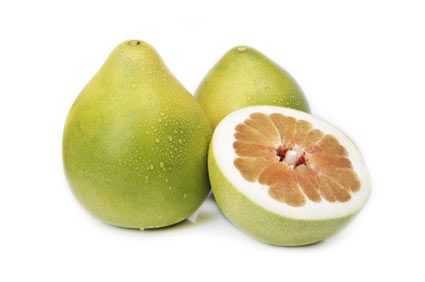
Embark on a fragrant journey as we unravel the captivating aroma of pomelo, a citrus fruit that not only delights the taste buds but also enchants the olfactory senses. In the vast tapestry of scents, pomelo emerges as a citrus gem, offering a sensory experience that mirrors the bright and invigorating essence of its flavor. Let's explore the question: What does pomelo smell like?
What Does Pomelo Smell Like?
Pomelo's Citrus Extravaganza
Step into the world of pomelo, where the fragrance is a citrus extravaganza, capturing the essence of a tropical orchard bathed in sunlight. Let's explore the aromatic marvel that defines the spirit of pomelo.
Citrus Grandeur: A Tropical Overture
As you approach pomelo, the first olfactory encounter is a grandeur of citrus. Picture the zestiness of grapefruit, but with a milder, more delicate touch. Pomelo's fragrance is a tropical overture that immediately transports you to a sun-kissed citrus grove.
Subtle Sweetness: Nature's Nectar
Within the zestiness lies a subtle undercurrent of sweetness. The scent is akin to the natural sweetness found in ripe fruits, creating a delicate balance that adds depth to the overall aroma. Pomelo's fragrance is a celebration of nature's nectar, a sensory journey that tempts the taste buds with its sweet allure.
Floral Essence: Orchards in Bloom
Delve deeper into the scent, and you may discover a hint of floral essence. It's as if the fragrance carries the whispers of pomelo blossoms in full bloom, adding a layer of sophistication to the overall aroma. The floral notes dance gracefully with the citrusy character, creating a fragrant symphony that is both refreshing and elegant.
Clean Crispness: A Breath of Fresh Air
Pomelo's fragrance carries a clean crispness, like a breath of fresh air after a summer rain. The scent is invigorating and revitalizing, making it a perfect companion for moments of rejuvenation and relaxation.
Pomelo's Olfactory Sonata
Hence, pomelo's fragrance is a sonata of citrus grandeur, subtle sweetness, floral essence, and clean crispness. It stands as a testament to the tropical splendor of this citrus giant, offering a sensory experience that is both invigorating and refined. Pomelo, with its vibrant and complex aroma, invites us to savor the richness found within its peel, a fragrant journey that unfolds with every delightful whiff.
Buy Pomelo Fragrance Oil
Brand: Plush Folly - Pomelo Fragrance Oil (Synthetic fragrance)Factors That Affect The Smell Of Pomelo
The smell of pomelo, a citrus fruit that is the largest member of the Rutaceae family and closely related to grapefruit, can be influenced by various factors. Here are some factors that can affect the aroma of pomelo:
-
Ripeness: The stage of ripeness at which a pomelo is harvested can significantly impact its fragrance. A ripe pomelo is more likely to have a sweet and floral aroma compared to an unripe one, which might have a more astringent or green scent.
-
Varietal Differences: Different varieties of pomelo exist, and they may have distinct aromatic profiles. Some may have sweeter, more floral notes, while others may be more citrusy or tangy.
-
Growing Conditions: Environmental factors such as soil composition, climate, and altitude can influence the chemical composition of the essential oils in the pomelo peel, contributing to variations in scent.
-
Storage Conditions: How pomelos are stored after harvest can affect their fragrance. Proper storage conditions, such as cool temperatures, can help preserve the freshness of the fruit and its aroma.
-
Harvesting Practices: The method and timing of harvesting can impact the aroma of pomelo. Careful harvesting practices that avoid damage to the fruit and ensure optimal ripeness can contribute to a more pleasant scent.
-
Processing Methods: The way pomelo is processed, whether it's used for fresh consumption, juicing, or extraction of essential oils, can influence its fragrance. Essential oils extracted from the peel, for example, may have a more concentrated aroma.
-
Hybridization: Some pomelo varieties are the result of hybridization with other citrus fruits, and this can lead to unique aromatic profiles that differ from traditional pomelos.
-
Geographical Origin: Pomelos grown in different regions may exhibit variations in their aromatic profiles due to differences in soil, climate, and other environmental factors.
-
Age of the Fruit: As with many fruits, the age of the pomelo can affect its aroma. Freshly harvested pomelos are likely to have a more vibrant and pronounced fragrance compared to older fruits.
It's worth noting that individual preferences for the scent of pomelo can vary. Some people may prefer a sweeter and more floral aroma, while others may appreciate a tangier or more citrus-forward fragrance. As with any fruit, the best way to experience the full range of a pomelo's aroma is to select one that is ripe and in good condition.
What to Look for When Buying Pomelo:
If you're looking to purchase pure pomelo, either as fresh fruit or as a processed product, here are some tips to guide you:
-
Freshness:
- If you're buying fresh pomelo, look for fruits that are heavy for their size, indicating juiciness. The skin should be firm and free from blemishes. Avoid fruits with soft spots or signs of mold.
-
Color:
- Pomelos come in various colors, including green, yellow, and pink. The color depends on the variety. Choose a pomelo with a consistent color for its type, and avoid any with uneven coloring or discoloration.
-
Texture:
- The skin of a pomelo should be thick and easy to peel. The fruit inside should be segmented and juicy. If the flesh is excessively dry or has an off texture, it may not be fresh.
-
Aroma:
- Fresh pomelo should have a sweet and citrusy aroma. If the fruit doesn't have a noticeable fragrance or has a fermented smell, it may not be at its best.
- Fresh pomelo should have a sweet and citrusy aroma. If the fruit doesn't have a noticeable fragrance or has a fermented smell, it may not be at its best.
Where to Find Reputable Sources:
-
Local Grocery Stores or Markets:
- Many supermarkets carry fresh pomelo, especially in regions where it's commonly consumed. Check the produce section for whole pomelos or pre-cut segments.
-
Farmers' Markets:
- Local farmers' markets often have a selection of fresh, locally sourced fruits. This is an excellent option for getting high-quality, in-season pomelo.
-
Specialty Fruit Shops:
- Some specialty fruit shops focus on providing a wide variety of fresh fruits, including exotic options like pomelo. These shops may offer a higher quality and more diverse selection.
-
Online Grocery Stores:
- If fresh pomelo is not readily available in your area, some online grocery stores or specialty food websites may ship fresh fruits to your location.
-
Canned or Processed Products:
- If you're looking for processed pomelo products, such as pomelo juice or canned pomelo segments, check the labels for ingredients. Pure pomelo products should list pomelo as the main ingredient without unnecessary additives.
-
Asian or International Grocery Stores:
- Pomelo is commonly consumed in Asian countries, so grocery stores that specialize in Asian or international foods may have fresh pomelo or pomelo products.
-
Word of Mouth:
- Ask friends, family, or community members for recommendations on where to find high-quality pomelo. Local recommendations can be valuable in discovering the best sources.
Whether you're looking for fresh pomelo or pomelo-based products, paying attention to freshness, color, texture, and aroma will help ensure that you're getting a high-quality product. If you're considering processed pomelo products, check the ingredient list for purity and avoid items with excessive additives or preservatives.
20 Questions and Answers about Pomelo:
-
Is pomelo a common note in perfumery?
- Pomelo's vibrant and citrusy aroma is occasionally used in perfumery, especially in fragrances seeking a bright and energetic character.
-
Can pomelo be a dominant note in perfumes?
- Yes, pomelo is often used as a top note in perfumes, contributing its invigorating citrus profile to the initial impression of a fragrance.
-
Does the scent of pomelo vary between different varieties?
- Yes, various pomelo varieties may have nuanced differences in their scent, influenced by factors such as ripeness and growing conditions.
-
Can pomelo be blended with other citrus notes in perfumery?
- Absolutely, pomelo harmonizes seamlessly with other citrus notes, creating a dynamic and refreshing bouquet in perfumes.
-
Does pomelo's scent have energizing properties?
- Yes, the bright and zesty aroma of pomelo is often associated with an energizing and mood-lifting effect.
-
Is pomelo fragrance suitable for all genders?
- Pomelo's versatile and unisex fragrance makes it appealing across genders in the world of perfumery.
-
Can pomelo be used as a single-note fragrance?
- While less common, some perfumers appreciate the simplicity of pomelo as a standalone note, capturing its distinct citrusy character.
-
Is pomelo used in natural perfumery?
- Yes, pomelo's natural and fresh profile aligns well with the principles of natural and organic perfumery.
-
Does the climate affect the scent of pomelo?
- Pomelo thrives in warm climates, and the intensity of its fragrance can be influenced by factors such as sunlight and temperature.
-
Can pomelo be used in scented candles?
- Yes, the invigorating scent of pomelo can be infused into candles, creating a lively and refreshing ambiance.
-
Are there cultural associations with the scent of pomelo?
- Pomelo is often symbolic of prosperity and good fortune in certain cultures, and its fragrance is associated with auspicious occasions.
-
Can pomelo be used in culinary perfumery?
- Yes, pomelo's citrusy and sweet notes make it a delightful addition to culinary creations, enhancing the overall flavor profile.
-
Does pomelo's scent change with the fruit's ripeness?
- The fragrance of pomelo is most pronounced when the fruit is fully ripe, with a perfect balance of citrusy brightness and sweetness.
-
Is pomelo fragrance long-lasting in perfumes?
- While a top note, pomelo's fragrance can linger, especially when complemented by other long-lasting base notes in a perfume.
-
Can pomelo be used in room sprays for its fragrance?
- Yes, pomelo's invigorating scent makes it a popular choice for room sprays and air fresheners.
-
Does pomelo's fragrance have calming properties?
- While known for its energizing properties, pomelo's scent can also have a refreshing and calming effect on the mind.
-
Can pomelo be blended with floral notes in perfumery?
- Yes, the citrusy brightness of pomelo can complement floral notes, creating a well-balanced and uplifting fragrance.
-
Are there any known allergies to the fragrance of pomelo?
- Allergic reactions to pomelo's fragrance are rare, but individuals with citrus allergies should exercise caution.
-
Can pomelo's scent be influenced by soil composition?
- The quality of the soil can impact the potency of pomelo's fragrance, with well-drained and fertile soil enhancing its aromatic profile.
-
Is pomelo used in mainstream or niche perfumery?
- Pomelo finds its place in both mainstream and niche perfumery, appreciated for its versatile and universally appealing citrusy fragrance.
In Conclusion:
Pomelo, with its radiant and citrusy allure, beckons us to savor the essence of a sun-kissed orchard. Its invigorating and uplifting fragrance, a testament to the zestiness of citrus, makes it a cherished ingredient in the world of perfumery. So, the next time you encounter the lively scent of pomelo, let it transport you to a place where the vibrant spirit of citrus dances on the breeze, awakening your senses to the beauty of nature's aromatic treasures.

Perfume Nez
Perfume Nez is a fragrance resource for perfume lovers seeking reviews, insights, and practical guidance. Dedicated to exploring the world of fragrances, we cover everything from scent profiles and fragrance notes to performance, comparisons, and the latest releases. Our goal is to help readers discover perfumes that match their style, preferences, and every occasion while fostering a deeper appreciation for the art of perfumery. Site Webmaster: Ali Khan - A Fragrance Enthusiast
- Choosing a selection results in a full page refresh.
- Press the space key then arrow keys to make a selection.