What Does Bitter Orange Smell Like?
As an Amazon Associate, we earn from qualifying purchases at no extra cost to you.
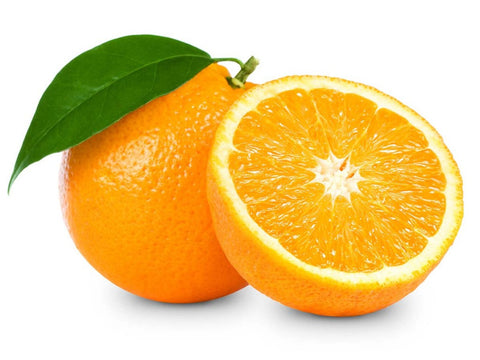
Step into the citrus groves where the bitter orange tree reigns, and experience the enchanting fragrance of bitter orange. Also known as Citrus aurantium, bitter orange has a distinct aroma that combines citrusy brightness with a hint of bitterness. Join us on a fragrant journey as we explore the question: What does bitter orange smell like?
What Does Bitter Orange Smell Like?
Enter the world of bitter orange, where the fragrance is as intriguing as the name suggests. Let's embark on a sensory journey to uncover the complex and captivating aroma that defines the bitter orange.
Citrus Elegance: A Regal Zest
The bitter orange introduces itself with a regal zest, a fragrance that is both bold and refined. Picture the intensity of citrus, but with a sophisticated twist. The aroma of bitter orange is a testament to its citrus lineage, commanding attention with its elegant and distinctive profile.
Bitter Boldness: A Tangy Overture
Unlike its sweet counterparts, the bitter orange doesn't shy away from its tangy nature. The scent is a bold overture of tanginess, a lively dance that awakens the senses. This citrusy boldness is the heartbeat of the bitter orange's fragrance, making it a unique and memorable olfactory experience.
Subtle Sweetness: A Touch of Citrus Symphony
Within the boldness lies a subtle undercurrent of sweetness, creating a delicate balance. The bitter orange's fragrance is a symphony where the sweet notes play in harmony with the tangy overtures, offering a well-rounded and complex olfactory composition.
Floral Grace: Blossoms in the Breeze
Delve deeper, and you'll encounter a touch of floral grace in the bitter orange's scent. It's as if the fragrance carries the whispers of orange blossoms in the breeze, adding a layer of sophistication to the overall aroma. The floral notes intertwine seamlessly with the citrusy character, creating a fragrant dance that is both enchanting and refined.
Bitter Orange's Olfactory Sonata
Hence, the bitter orange's fragrance is a sonata of regal zest, bold tanginess, subtle sweetness, and floral grace. It stands as a testament to the diversity within the citrus family, offering a sensory experience that is both commanding and delicate. The bitter orange, with its complex aroma, invites us to appreciate the layers found within its peel, a fragrant journey that unfolds with every whiff.
Factors Influencing the Scent of Bitter Orange Fragrance Oil
Bitter Orange fragrance oil is an artful creation designed to capture the distinctive and zesty aroma associated with Citrus aurantium, commonly known as bitter orange. The formulation of this fragrance involves a thoughtful combination of aromatic compounds. Here are several factors that contribute to the bright and invigorating scent of Bitter Orange fragrance oil:
-
Fragrance Composition: Bitter Orange fragrance oil is a carefully blended mixture of various aromatic compounds, chosen to replicate the characteristic scent of bitter orange. This composition may include both synthetic and natural ingredients to achieve the desired olfactory profile.
-
Citrus Essence: At the heart of the fragrance lies the essence of bitter orange. Notes of vibrant citrus, with a balance of sweetness and bitterness, are intricately blended to mirror the refreshing and invigorating aroma of bitter orange.
-
Synthetic vs. Natural Components: Bitter Orange fragrance oil often combines both synthetic and natural ingredients. Perfumers make choices to strike a balance between authenticity, cost considerations, and sustainability in the selection of these components.
-
Extraction Method: The method used to create Bitter Orange fragrance oil, whether through distillation or extraction, plays a crucial role in defining the aromatic profile. Specific extraction methods contribute to the faithful recreation of the fresh and zesty scent.
-
Additional Citrus and Sweet Notes in the Blend: The fragrance may incorporate additional citrus elements or subtle sweet notes to enhance complexity. These complementary notes contribute to the overall vibrancy of the scent, capturing the essence of bitter orange.
-
Quality of Ingredients: The quality of raw materials, including the source of essential components, directly influences the freshness and authenticity of the bitter orange scent in the fragrance oil.
-
Perfumer's Artistry: The expertise and creativity of the perfumer or fragrance creator are crucial. Perfumers leverage their skills to balance different components, creating a distinctive and delightful bitter orange fragrance.
-
Regulatory Compliance: Adherence to regulatory standards and restrictions on certain fragrance ingredients is crucial. Compliance with safety guidelines requires careful consideration of ingredient choices to ensure the fragrance is safe for use.
-
Usage in Products: Bitter Orange fragrance oil can be incorporated into various products, including perfumes, candles, room sprays, and bath products. The interaction with other ingredients in specific product formulations can influence how the bitter orange scent is perceived.
-
Product Type and Concentration: The concentration of Bitter Orange fragrance oil in a product affects the strength and longevity of the scent. Higher concentrations may be suitable for perfumes, while lower concentrations work well for candles, soaps, or room sprays.
-
Storage Conditions: Proper storage conditions for Bitter Orange fragrance oil, both before and after formulation, are essential to maintain its stability and scent. Storing it in a cool, dark environment helps preserve the freshness of the fragrance.
-
Consumer Preferences and Trends: Formulations of Bitter Orange fragrance may adapt to changing consumer preferences and market trends. The popularity of citrus scents or unique blends may influence product formulations.
-
Artisanal vs. Commercial Production: Differences between artisanal and commercial production of Bitter Orange fragrance oil may impact ingredient sourcing, formulation, and overall quality. Artisanal methods may emphasize craftsmanship and unique blends.
-
Post-Formulation Processing: Additional processes, such as aging or filtering after the formulation of the fragrance oil, may influence the final scent and contribute to the desired characteristics.
Exploring different formulations of Bitter Orange fragrance oil allows consumers to experience a range of fresh and citrusy scents reminiscent of the delightful bitter orange fruit. Individual preferences play a significant role in selecting the perfect Bitter Orange fragrance for various applications.
What to Look for When Choosing Bitter Orange Fragrance Oil
Selecting a bitter orange fragrance oil allows you to enjoy the zesty and tangy aroma of bitter oranges. Whether used in candles, diffusers, or personal care products, consider these factors to ensure you choose a high-quality and authentic bitter orange fragrance oil:
-
Citrus Authenticity: Seek a bitter orange fragrance oil that authentically captures the fresh, tangy, and slightly bitter scent of real bitter oranges. Look for a fragrance that embodies the unique citrus notes characteristic of quality bitter orange.
-
Natural vs. Synthetic: Determine whether the fragrance oil is derived from natural sources or is synthetically produced. Natural bitter orange oils can provide a more nuanced and realistic scent, closely resembling the aroma of actual bitter oranges.
-
Blend Ingredients: Check the blend of ingredients in the fragrance oil. A well-crafted combination of natural and synthetic components can contribute to a balanced and long-lasting bitter orange fragrance.
-
Intensity Level: Consider the intensity level of the bitter orange fragrance. Some may prefer a subtle and refreshing scent, while others may desire a more pronounced and invigorating aroma. Look for a fragrance that aligns with your desired level of intensity.
-
Versatility: Choose a fragrance oil that is versatile and suitable for various applications. Whether used in candles, soaps, lotions, or diffusers, versatility allows you to enjoy the citrusy scent in different settings.
-
Packaging: Assess the packaging of the fragrance oil. Opt for a bottle that is dark or opaque to protect the oil from light exposure, preserving its freshness and preventing deterioration over time.
-
No Residue or Discoloration: Ensure that the bitter orange fragrance oil leaves no residue or discoloration when incorporated into different products. A high-quality oil should seamlessly integrate into various mediums without causing unwanted effects.
-
Manufacturer Reputation: Research the reputation of the manufacturer or brand. Choose well-established brands with positive reviews, as they are more likely to produce reliable and high-quality fragrance oils.
-
Testing Options: Look for fragrance oils that offer testing options or sample sizes. This allows you to experience the scent firsthand before committing to a larger quantity, ensuring it aligns with your preferences.
-
Ethical and Sustainable Practices: Consider the manufacturer's commitment to ethical and sustainable practices. Brands that prioritize responsible sourcing and environmentally friendly production contribute to a more conscientious choice.
By considering these factors, you'll be better equipped to choose a bitter orange fragrance oil that not only aligns with your preferences but also ensures a high-quality and invigorating olfactory experience in your chosen applications.
Where to Find Reputable Bitter Orange Fragrance Oils
-
Specialty Candle and Soap Supply Stores: Explore specialty stores dedicated to candle-making and soap supplies, as they often carry a variety of fragrance oils, including unique scents like bitter orange. These stores may offer options suitable for crafting candles, soaps, and other scented products.
-
Online Fragrance Oil Retailers: Browse reputable online platforms specializing in fragrance oils. Websites and retailers dedicated to aromatherapy, candle making, or DIY crafting may have an extensive selection of bitter orange fragrance oils. Check product descriptions and customer reviews for authenticity and quality.
-
Artisanal or Handmade Markets: Attend artisanal markets or craft fairs where independent sellers showcase handmade products. Artisan vendors may create unique and carefully crafted bitter orange fragrance oils, providing an opportunity to explore distinct options.
-
Local Essential Oil or Perfume Shops: Specialty shops focusing on essential oils or perfumes may carry bitter orange fragrance oils. These stores often prioritize high-quality scents and may offer a range of unique and citrusy aromas.
-
Online Marketplaces: Platforms like Etsy or other online marketplaces featuring handmade or artisanal products can be sources for bitter orange fragrance oils. Look for sellers with positive reviews and detailed information about their products.
-
Aromatherapy Stores: Aromatherapy stores often carry a variety of fragrance oils for different applications. Inquire about the availability of bitter orange scents to add a citrusy and uplifting aroma to your living space.
-
Specialty Perfume Retailers: Explore specialty perfume shops that focus on unique and exotic fragrances. These stores may carry bitter orange fragrance oils known for their distinctive and refreshing citrus notes.
-
Local Farmers' Markets or Herbal Shops: Check with local farmers' markets or herbal shops that specialize in natural products. Some of these establishments may offer fragrance oils with botanical scents, including bitter orange.
-
Word of Mouth: Seek recommendations from friends, family, or members of fragrance communities for trusted sources of bitter orange fragrance oils. Personal experiences and suggestions can guide you to reputable suppliers known for quality and authenticity.
-
Check Ingredients and Descriptions: Before making a purchase, carefully read product descriptions and check ingredient lists for bitter orange fragrance oils. Authentic and reputable sellers provide clear information about the composition and intended use of their products.
Note: Bitter orange fragrance oils can bring a vibrant and citrusy note to your DIY projects. Ensure that the fragrance oil you choose aligns with your intended use, whether it's for candles, soaps, diffusers, or other creative endeavors. Follow safety guidelines provided by the manufacturer for proper usage.
20 Questions and Answers about Bitter Orange:
-
Is bitter orange a common note in perfumery?
- Bitter orange is a classic and widely used note in perfumery, valued for its vibrant and versatile fragrance.
-
Can bitter orange be a dominant note in perfumes?
- Bitter orange is often used as a prominent note in perfumes, contributing its distinctive citrusy and bitter character.
-
Does the scent of bitter orange vary between different varieties of bitter orange trees?
- Yes, different varieties of bitter orange trees can influence the nuances in the fragrance of bitter orange.
-
Can bitter orange be blended with other citrus notes in perfumery?
- Absolutely, bitter orange harmonizes seamlessly with other citrus notes, creating a dynamic and multi-layered citrus bouquet.
-
Does bitter orange's scent have invigorating properties?
- Yes, the vibrant and zesty nature of bitter orange's scent is often associated with an invigorating and uplifting effect.
-
Is bitter orange fragrance suitable for all genders?
- Bitter orange's versatile and unisex fragrance makes it appealing across genders in the world of perfumery.
-
Can bitter orange be used as a single-note fragrance?
- While less common, some perfumers appreciate bitter orange as a standalone note, showcasing its unique citrusy and bitter character.
-
Is bitter orange used in natural perfumery?
- Yes, bitter orange's natural and botanical profile aligns well with the principles of natural and organic perfumery.
-
Does the climate affect the scent of bitter orange?
- Bitter orange thrives in warm climates, and the intensity of its fragrance can be influenced by factors such as sunlight and temperature.
-
Can bitter orange be used in scented candles?
- Yes, the bright and refreshing scent of bitter orange can be infused into candles, creating an uplifting and aromatic atmosphere.
-
Are there cultural associations with the scent of bitter orange?
- Bitter orange is often associated with traditional ceremonies and celebrations in various cultures, and its fragrance may hold cultural significance.
-
Can bitter orange be used in culinary perfumery?
- Absolutely, bitter orange's citrusy and slightly bitter notes make it a delightful addition to culinary creations, enhancing the overall flavor profile.
-
Does bitter orange's scent change with the age of the fruit?
- The fragrance of bitter orange can vary based on the maturity of the fruit, with younger fruit often having a brighter and more intense scent.
-
Is bitter orange fragrance long-lasting in perfumes?
- While a top and middle note, bitter orange's fragrance can linger, especially when complemented by long-lasting base notes in a perfume.
-
Can bitter orange be used in room sprays for its fragrance?
- Yes, bitter orange's bright and refreshing scent makes it a popular choice for room sprays and air fresheners.
-
Does bitter orange's fragrance have calming properties?
- While primarily known for its invigorating nature, bitter orange's citrusy freshness can also provide a sense of clarity and rejuvenation.
-
Can bitter orange be blended with floral notes in perfumery?
- Yes, the citrusy brightness of bitter orange can complement floral notes, creating a well-balanced and uplifting fragrance.
-
Are there any known allergies to the fragrance of bitter orange?
- Allergic reactions to bitter orange's fragrance are rare, but individuals with citrus allergies should exercise caution.
-
Can bitter orange's scent be influenced by soil composition?
- The quality of the soil can impact the potency and character of bitter orange's fragrance.
-
Is bitter orange used in mainstream or niche perfumery?
- Bitter orange is found in both mainstream and niche perfumery, appreciated for its timeless and vibrant citrus aroma.
In Conclusion:
Bitter orange, with its vibrant and lively character, invites us to revel in the essence of citrus groves. Its refreshing and slightly bitter fragrance, reminiscent of sun-kissed oranges, adds a touch of zest to the world of perfumery. So, the next time you encounter the invigorating scent of bitter orange, let it transport you to a sunlit orchard where the aroma of citrus blossoms in all its vibrant glory.

Perfume Nez
Perfume Nez is a fragrance resource for perfume lovers seeking reviews, insights, and practical guidance. Dedicated to exploring the world of fragrances, we cover everything from scent profiles and fragrance notes to performance, comparisons, and the latest releases. Our goal is to help readers discover perfumes that match their style, preferences, and every occasion while fostering a deeper appreciation for the art of perfumery. Site Webmaster: Ali Khan - A Fragrance Enthusiast
- Choosing a selection results in a full page refresh.
- Press the space key then arrow keys to make a selection.