Best Bitter Orange Perfumes
🔥 Today's Fragrance Deals
Looking for the best perfume prices online? Click below to see current fragrance deals.
As an Amazon Associate, we earn from qualifying purchases at no extra cost to you.

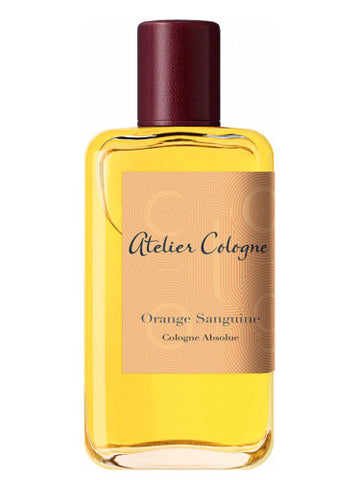
Bitter orange, often referred to as Seville orange, is a captivating and versatile note in the world of perfumery. Its unique aroma blends the bitter and the sweet, creating fragrances that are both refreshing and sophisticated. Bitter orange perfumes have gained popularity for their ability to add a multifaceted character to scents, making them suitable for various occasions and appealing to both women and men. In this comprehensive guide, we will explore the best bitter orange perfumes for women and men, delving into their aromatic profiles, longevity, and the reasons behind the enduring appeal of bitter orange in the realm of fragrance.
Bitter Orange in Perfumery
Bitter orange, scientifically known as Citrus aurantium, is a citrus fruit with a distinct aroma that combines the sweet, floral, and slightly bitter notes. It is often used in perfumery to add a refreshing and multifaceted character to fragrances. Bitter orange peel, known as petitgrain, is a common source of essential oil used in perfumes. The scent of bitter orange is associated with sophistication, elegance, and a touch of bitterness that adds depth and complexity to fragrances.
Best Bitter Orange Perfumes for Women
-
Hermès Eau des Merveilles:
- Notes: Bitter orange, amber, patchouli, and cedar.
- Eau des Merveilles is a mesmerizing and enchanting fragrance that prominently features bitter orange, creating a unique and elegant scent with a touch of marine and woody elements.
-
Chanel Chance Eau Fraîche:
- Notes: Bitter orange, jasmine, teakwood, and vetiver.
- Chance Eau Fraîche is a fresh and lively fragrance that blends the zesty character of bitter orange with floral and woody notes, resulting in a vibrant and youthful scent for women.
-
Guerlain Aqua Allegoria Mandarine Basilic:
- Notes: Bitter orange, mandarin, basil, and green tea.
- Mandarine Basilic is a refreshing and invigorating fragrance with a dominant bitter orange note, combined with basil and green tea, creating a bright and aromatic composition.
-
Diptyque Eau des Sens:
- Notes: Bitter orange, neroli, and patchouli.
- Eau des Sens is a captivating and unique fragrance that focuses on the contrast between bitter orange and neroli, resulting in a fresh and slightly spicy scent.
-
Jo Malone London Basil & Neroli:
- Notes: Bitter orange, basil, neroli, and white musk.
- Basil & Neroli is a unisex fragrance that combines the lively notes of bitter orange, basil, and neroli, creating a vibrant and aromatic scent perfect for daily wear.
Best Bitter Orange Perfumes for Men
-
Terre d'Hermès by Hermès:
- Notes: Bitter orange, grapefruit, pepper, and vetiver.
- Terre d'Hermès is an iconic and earthy fragrance that prominently features bitter orange, adding a bright and citrusy facet to the warm and woody composition.
-
Dolce & Gabbana Light Blue Pour Homme:
- Notes: Bitter orange, Sicilian mandarin, rosemary, and musk.
- Light Blue Pour Homme is a popular and invigorating fragrance with a zesty opening of bitter orange and Sicilian mandarin, making it a classic and refreshing choice for men.
-
Bvlgari Man in Black:
- Notes: Bitter orange, leather, tuberose, and tonka bean.
- Man in Black is a spicy and oriental fragrance with bitter orange adding a slightly bitter and citrusy contrast to the warm and leathery base, making it an alluring and charismatic choice for men.
-
Terre d'Hermès Eau Intense Vétiver:
- Notes: Bitter orange, vetiver, and Sichuan pepper.
- Terre d'Hermès Eau Intense Vétiver is a fresher and more vetiver-focused take on the original, with bitter orange and pepper adding a lively and spicy dimension to the composition.
-
Acqua di Parma Colonia Assoluta:
- Notes: Bitter orange, bergamot, jasmine, and vetiver.
- Colonia Assoluta is a modern and sophisticated fragrance with a prominent bitter orange note that adds a fresh and timeless quality to this classic scent for men.
Why Choose Bitter Orange Perfumes?
Bitter orange perfumes are a popular choice for several reasons, and their appeal spans both genders. Here are some key reasons why you might want to consider bitter orange perfumes:
-
Elegance and Sophistication: Bitter orange adds a refined and slightly bitter character to fragrances, making them ideal for formal and special occasions.
-
Refreshing and Invigorating: Bitter orange fragrances are often fresh and lively, making them perfect for daily wear, especially in warm weather.
-
Versatile and Unisex Appeal: Many bitter orange fragrances are unisex or can be worn by individuals of any gender, making them versatile choices for anyone.
-
Complexity and Depth: Bitter orange adds complexity and depth to fragrances, making them intriguing and memorable.
-
Layering Options: Bitter orange fragrances can be used as a base for layering with other scents, allowing you to create your own unique fragrance combinations.
In conclusion, bitter orange perfumes offer an elegant and invigorating olfactory experience that can be enjoyed by both women and men. Whether you prefer a classic and refined fragrance, a fresh and zesty composition, or a versatile and unisex scent, there are bitter orange perfumes to suit your style and personality. Explore the options listed here to discover the bitter orange-infused scent that resonates with your preferences.
Top 25 Perfume Facts You Should Know
1. What Are Top, Middle, And Base Notes In Perfume?
Perfume is built on three levels: top, middle, and base notes. Top notes are the first scents you perceive, usually light and fresh. Middle notes emerge as the fragrance develops and form its character. Base notes are long-lasting, giving depth and staying power. Together, they create a balanced and evolving scent.
2. How Does Perfume Concentration Affect Its Longevity?
Perfume concentration determines how strong and long-lasting a scent will be. Parfum has the highest concentration of fragrance oils (20–30%) and lasts the longest. Eau de parfum (15–20%) is slightly lighter, while eau de toilette (5–15%) and cologne (2–5%) are less intense and fade faster. Concentration also influences price.
3. What’s The Difference Between Natural And Synthetic Ingredients In Perfumes?
Natural ingredients come from plants, flowers, fruits, or animals, while synthetic compounds are lab-created. Synthetics replicate rare or expensive natural aromas and improve stability. Many modern perfumes combine both types, allowing creativity, ethical sourcing, and consistent quality. Synthetic ingredients can also make fragrances cruelty-free and less allergenic.
4. Can Fragrances Trigger Memories Or Emotions?
Yes, scents are closely linked to the brain’s limbic system, which processes emotion and memory. A fragrance can evoke nostalgia, comfort, or excitement. Many people associate perfumes with specific events, people, or moods, making fragrance a powerful tool for emotional expression and memory recall.
5. How Does Skin Chemistry Affect How A Perfume Smells?
Perfume interacts with individual body chemistry, altering how it smells on the skin. Factors like skin type, pH, diet, and hormones influence scent development. The same perfume may smell different on two people, which is why testing on your own skin before buying is crucial for an accurate representation.
6. What Are Fragrance Families, And Why Do They Matter?
Perfume families classify fragrances by dominant characteristics. Common families include floral, oriental, woody, and fresh/citrus. Knowing the family helps guide selection and predict how a fragrance will evolve. It also aids in understanding personal preferences, seasonal suitability, and how scents complement one’s style and personality.
7. Why Should Perfume Be Applied To Pulse Points?
Pulse points like the wrists, neck, and behind the ears emit heat, which enhances fragrance projection. Applying perfume to these areas allows the scent to diffuse naturally throughout the day. This method maximizes longevity and ensures the perfume develops as intended, revealing top, middle, and base notes over time.
8. Do Perfumes Expire, And How Can You Tell?
Yes, perfumes can expire, usually after 3–5 years. Signs include darkened color, separation of ingredients, or altered scent. Storage in a cool, dark place with the bottle tightly sealed helps preserve fragrance. Using expired perfume may result in a degraded or unpleasant aroma.
9. What Role Does Alcohol Play In Perfumes?
Alcohol acts as a solvent that dissolves fragrance oils and helps disperse them evenly. It also contributes to the initial burst of scent when applied. Higher alcohol content can enhance evaporation and projection, but it can also dry the skin. Alcohol ensures perfumes remain stable and long-lasting in the bottle.
10. How Does Temperature Affect Perfume Strength And Scent?
Temperature impacts perfume evaporation and perception. Warm temperatures intensify fragrance, often making light scents stronger, while cold can suppress projection. Extreme heat or sunlight can degrade ingredients, altering the scent. Understanding environmental effects helps choose perfumes suited for seasonal and climate conditions.
11. What Is Fragrance Layering, And How Can It Create Unique Scents?
Layering combines multiple fragrances or scented products to create a personalized scent. For example, mixing a floral perfume with a musky body lotion can produce a unique aroma. Layering enhances complexity, increases longevity, and allows creative expression, letting you craft a fragrance that matches your mood or style.
12. Do Perfume Names Always Reflect Their Ingredients?
Perfume names are often creative or thematic rather than literal. While some names hint at main notes (like “Vanilla Musk”), many are chosen for branding, emotion, or lifestyle appeal. The name may evoke a mood or concept rather than listing actual ingredients, so it’s not always an accurate guide.
13. How Do Perfume Bottles Influence Fragrance Preservation?
Perfume bottles protect the scent from light, air, and temperature changes. Dark glass, airtight caps, and minimal exposure to oxygen help maintain fragrance integrity. Decorative bottles may look luxurious but sometimes compromise preservation. The right container can extend perfume life and prevent scent degradation.
14. What’s The Difference Between Eau De Parfum And Eau De Toilette?
Eau de parfum (EDP) contains more concentrated fragrance oils (typically 15–20%) and lasts longer, whereas eau de toilette (EDT) has less concentration (5–15%), producing a lighter, shorter-lived scent. EDP is often richer and more suitable for evening wear, while EDT is ideal for daytime or casual use.
15. How Can Perfume Notes Be Enhanced For Longevity?
Longevity can be enhanced by applying perfume to moisturized skin, using complementary body lotions, and focusing on pulse points. Layering with hair products or unscented oils can help retain scent. Proper storage away from heat and light also prevents degradation, keeping the notes fresh and vibrant for longer.
16. Why Do Some Fragrances Smell Different In The Air Than On Skin?
Perfumes interact with air and individual body chemistry differently. Evaporation, temperature, and skin pH can alter perception. Some scents may appear lighter or heavier off the skin than on it. Test strips give an initial impression, but the true scent emerges only when worn.
17. How Were Perfumes Originally Used Before Alcohol-Based Sprays?
Ancient perfumes were oils, balms, or incense burned during rituals. Egyptians, Mesopotamians, and Romans used them for ceremonies, personal hygiene, and spiritual purposes. Alcohol-based sprays emerged in the 19th century, allowing perfumes to be applied easily and evenly while preserving scent integrity.
18. Can Perfume Influence Mood Or Mental Well-Being?
Yes, scents can impact emotions, reduce stress, or improve alertness. Lavender may promote relaxation, citrus energizes, and vanilla can evoke comfort. Perfumes can serve as a form of aromatherapy, influencing confidence and emotional state, making fragrance a subtle but powerful tool for mental well-being.
19. How Should Perfumes Be Stored To Extend Their Life?
Perfumes should be stored in cool, dark areas away from sunlight and heat. Bottles should remain tightly sealed and upright to prevent evaporation or oxidation. Proper storage maintains fragrance integrity, color, and balance of notes, ensuring the perfume smells as intended for years.
20. What Are “Accords” In Perfumery, And Why Are They Important?
Accords are harmonious blends of two or more fragrance notes that create a distinct scent. They form the backbone of perfumes, ensuring that top, middle, and base notes interact cohesively. A well-crafted accord gives the perfume balance, uniqueness, and emotional impact.
21. Does Gendered Marketing Limit Which Scents You Can Wear?
Perfume marketing often labels scents as masculine or feminine, but fragrance is ultimately personal. Anyone can wear any scent they enjoy. Gendered marketing may influence perception but does not dictate choice. Breaking norms allows creative expression and discovering perfumes that resonate individually.
22. Can Perfume Ingredients Be Controversial Or Cause Allergies?
Yes, some ingredients like musks, citrus oils, or preservatives can trigger allergic reactions. Certain animal-derived compounds are controversial ethically. Checking ingredient lists and choosing hypoallergenic or cruelty-free options is important for sensitive individuals or those conscious of environmental and ethical concerns.
23. How Can Perfumes Be Layered With Hair Products For Longevity?
Hair holds fragrance longer than skin because it retains oils. Using scented hair products or lightly misting perfume onto hair extends scent life. Avoid alcohol-heavy sprays directly on hair to prevent dryness. Layering ensures a continuous, subtle fragrance trail throughout the day.
24. What Is Olfactory Fatigue, And Why Does It Happen?
Olfactory fatigue occurs when your nose becomes desensitized to a scent after prolonged exposure. You may stop noticing your perfume even though others can smell it. This is normal and temporary. Stepping away from the scent or switching fragrances can refresh your perception.
25. How Can Perfume Become Part Of Someone’s Signature Identity?
A signature perfume is consistently worn and becomes associated with an individual’s personality and style. It leaves a memorable impression and complements self-expression. Choosing a fragrance that resonates emotionally, smells unique on your skin, and aligns with your lifestyle helps make perfume an integral part of your identity.